
Darrin Taylor
Chief of Staff | Northwoods
“At Northwoods, we succeed when the agencies we work with can spend more time with the families they serve than the systems they navigate.”
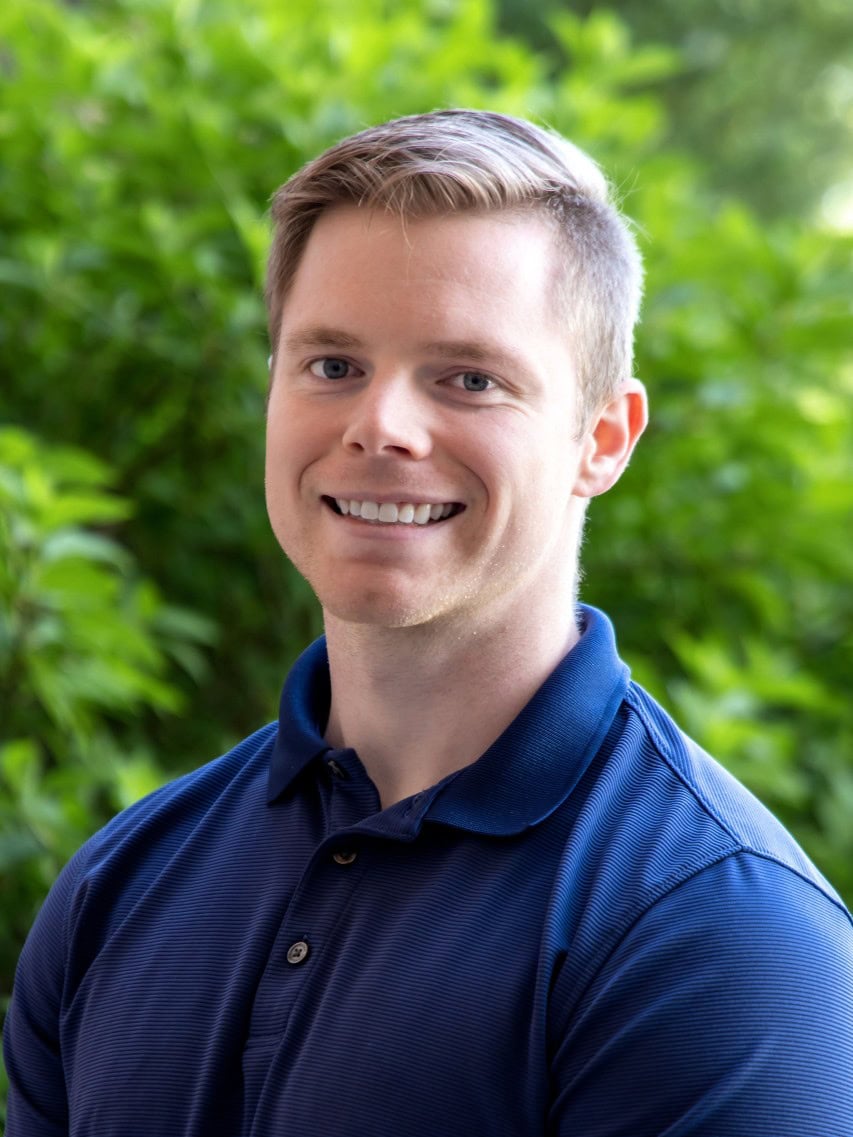
Darrin Taylor’s path to chief of staff at Northwoods isn’t a straight line. He came up through finance. That road trained him to ground strategy in numbers: to ask hard questions, to be honest about what an organization can realistically deliver.
The chief of staff role was an intentional stretch. He moved toward work that connects operational discipline to a mission he genuinely believes in. The problem made the case—social workers buried in paperwork, families waiting longer for services, workers burning out.
After that, the leap felt worth it.
The Path to Northwoods
As chief of staff, Darrin keeps the leadership team focused and makes sure the organization follows through. That means running operating rhythms and aligning teams across functions. His job is to remove obstacles so the people doing the real work can move faster.
He calls it the “connector-tissue” work, turning good ideas into real outcomes.
To keep things moving, he applies a consistent filter. Does this free people up, or does it add friction? He appreciates what “less paperwork, more peoplework” is really saying. It doesn’t dismiss the paperwork; it just refuses to let it win.
For Darrin, success in a partnership has a distinct signal. An agency renews because the people there can’t imagine going back, not simply because leaving is hard.
The Problems Worth Solving
Darrin sees three systemic challenges holding agencies back:
- Administrative burden consuming worker time and undermining the outcomes agencies are built to deliver
- Technology fragmentation creating rework, errors, and manual workarounds across disconnected agency systems
- Workforce burnout and high turnover driven by systems that make an already-hard job harder
The Northwoods Difference: Designed for the Worker
Darrin knows the Northwoods design philosophy starts with the worker. What does this caseworker need at this moment to do their job well? Most technology companies aren’t asking that question.
When he talks about where Northwoods is headed, he starts with a single moment.
A caseworker walks into a visit with exactly the context they need. History, resources, and case status are ready without hunting. The system does the heavy administrative lifting in the background, while the worker is free to be present.
Meanwhile, agency leaders have real-time visibility into what’s working and where families need resources most.
The path there runs through the small stuff, too. Forms that don’t need to be that long, data entered once, approvals that actually add oversight. Strip out the low-value work, and it changes the daily experience in ways that add up over time.
Curiosity in Practice
Darrin returns to the Northwoods value of curiosity most. A lot of organizational dysfunction comes from stopping at the first plausible answer. Curiosity is the discipline of asking “But why?” one more time. It separates a decision that looks right from one that truly is.
His outsider status reinforces this. He doesn’t have a health and human services background, and he’s open about it. That distance is an advantage. He notices inefficiencies staff inside the system have learned to work around and asks questions teams with more context might not think to ask.
His leadership style is curious, direct, and collaborative. He asks a lot of questions because slowing down a decision is better than moving fast in the wrong direction. He’s also up-front about what he doesn’t know; it’s easier to build trust when people know you’re not pretending.
Darrin wants the people he leads to feel that their work matters and that he trusts them to figure out how to perform it. The Northwoods team already cares deeply. He protects their time and makes sure they feel seen so they can demonstrate that care.
“I can’t ask people to go serve others if I’m not willing to do the same for them,” he emphasizes.