
Ben Elder
Chief Technology Officer | Northwoods
“At Northwoods, we succeed when the technology quietly and reliably takes care of the administrative burden, so the caseworker can spend more of the day using judgment, building trust, and helping families.”
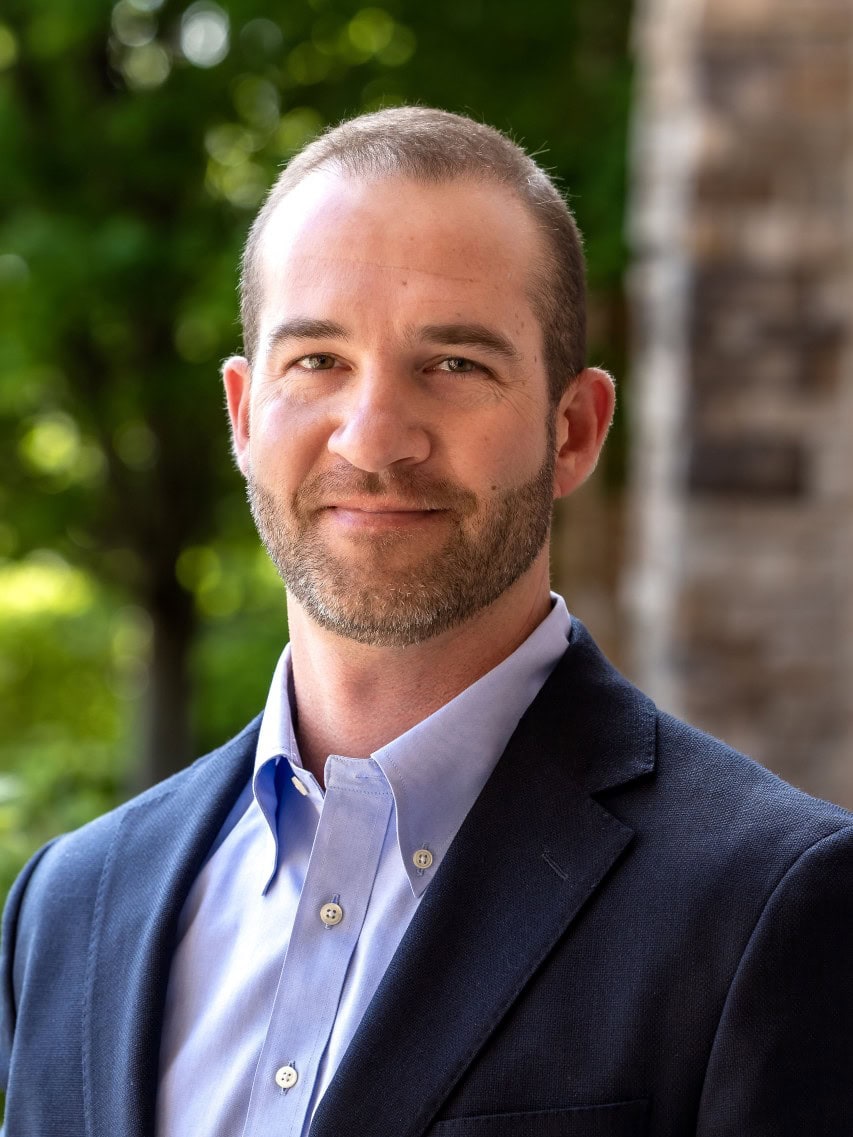
Ben Elder has been building technology for 25 years and has never stopped being a hands-on engineer. Across consulting, startups, and executive leadership, he stays close to the code. That’s intentional.
He doesn’t believe you can lead great engineering from a distance. He still finds the craft genuinely energizing.
As Northwoods CTO, Ben is accountable for three things. Does the technology work? Does it move the needle for agencies and their workers? And is Northwoods building a team capable of sustaining both over the long term?
He measures success in outcomes rather than org charts. A caseworker spending two fewer hours on paperwork. A supervisor with real-time caseload visibility, making decisions from data instead of guesswork. Those are the numbers that matter.
The Path to Northwoods
Ben’s background spans complex, mission-driven environments. At McKinsey, he was CTO and chief architect of Contract AI, an internal AI startup he helped build from scratch. The team deployed platforms at dozens of large enterprise clients and identified hundreds of millions in savings potential.
Earlier at Deloitte, he built financial systems and emergency response tools for the CDC. One of them was a mobile application deployed during the 2014 Ebola outbreak. He also co-founded a SaaS company in education technology, which gave him a founder’s understanding of what it takes to build and scale a product.
After nearly a decade at McKinsey, he was ready to go deep. Consulting had given him breadth. He had helped dozens of organizations build AI capabilities and navigate engineering transformations. But he wanted to own outcomes rather than advise on them.
What drew him to Northwoods was mission and timing. The health and human services sector is at an inflection point. Agencies face a real staffing crisis. Caseworker burnout is affecting outcomes for families. AI has matured to where it can legitimately help.
Ben believes Northwoods is positioned to apply it thoughtfully.
The Problems Worth Solving
Ben looks at how technology can make everyday health and human services work easier and smarter:
- Administrative overload burning out the people who do this work, pulling hours away from families
- Supervisors without real-time visibility into caseloads, compliance timelines, and capacity, leaving them reactive instead of proactive
- AI adoption that agencies can sincerely trust, with caseworkers in control and rigorous attention to fairness, equity, and privacy
The Northwoods Difference: Tools That Prompt Change
Most software companies sell tools; Northwoods sells outcomes. What makes that possible is deep industry expertise, purpose-built software, and a managed services model. That model addresses the workforce dimension alongside the technology.
Engineering plays a direct role here. Ben’s team builds tools that make the Grove team more effective and help the hybrid approach scale without losing quality.
Building AI for this space demands transparency and care. That means saying no to capabilities that look impressive in a demo but erode confidence in practice. The goal is a partnership agencies depend on for the long haul.
Ben’s vision for where that leads is distinct. A caseworker arrives at a home visit already briefed by an AI assistant. Documentation happens in real time through voice and mobile tools. The system surfaces what needs attention before anyone has to chase it down.
Traverse becomes a system of intelligence, not just a system of record. Supervisors gain the visibility to manage proactively. They can see which workers are stretched, which cases are approaching risk thresholds, and where Grove can step in.
The longer view is national because caseworker burnout isn’t a regional problem. The need for trustworthy AI in government services isn’t going away.
For Ben, Northwoods becomes the company that shows what getting this model right looks like.
Curiositry in Practice
Curiosity is the value Ben returns to most because it’s central to both engineering and leadership. The problems in health and human services are hard: technically, operationally, and organizationally. Leading with curiosity is the only honest response.
That means asking what customers actually need, what the data is telling the team, and whether assumptions from six months ago still hold.
In health and human services specifically, curiosity is a form of respect. Building technology that genuinely helps caseworkers starts with being curious about their experience. What does the work feel like? Where does the friction live? What do workers wish they had?
It carries into how he leads his team. He wants people to feel trusted to make decisions and raise problems without fear. He wants them free to experiment, and occasionally fail, without penalty.
When that’s working, people bring real energy to the work.
In Ben's Words
Beyond the Work
Ben’s curiosity about AI extends well past office hours. He reads, experiments, and thinks about it because the implications reach far beyond any workplace.
One moment stays with him. His mother is a retired educator who organizes group travel experiences as a small business. Using AI tools, she built her own website, marketing materials, and registration infrastructure almost entirely on her own.
“That’s the version of AI I care most about: not replacing what people can do, but unlocking what they never thought they could,” Ben says.
At 12, Ben won first place in an international Future Problem Solving competition, a program that taught students to apply structured creative thinking to complex global challenges. He sees a clear through line from that to the work he does today.
Outside work, his time belongs to his family. All three of his children play lacrosse, and his son plays football. He and his wife volunteer at their church, leading small groups for elementary and middle schoolers.