Being named to the inaugural Ohio AI25 Companies & Organizations list is an exciting moment for Northwoods.
Presented by OhioX and Ohio Tech News, AI25 recognizes organizations turning artificial intelligence into real-world impact across Ohio. Northwoods was recognized for applying generative AI to help health and human services workers access information, navigate complex casework, and spend more time focused on the people they serve.
We’re incredibly proud of that recognition. Read the full announcement here.
But it also gave us an opportunity to reflect on a bigger question:
What does meaningful AI actually look like in human services?
We asked several members of the Northwoods leadership team to share their perspectives. While they approach the question from different parts of the business, a common theme emerged: the technology itself isn’t the end goal. What matters is what it makes possible for people.
Innovation With Responsibility
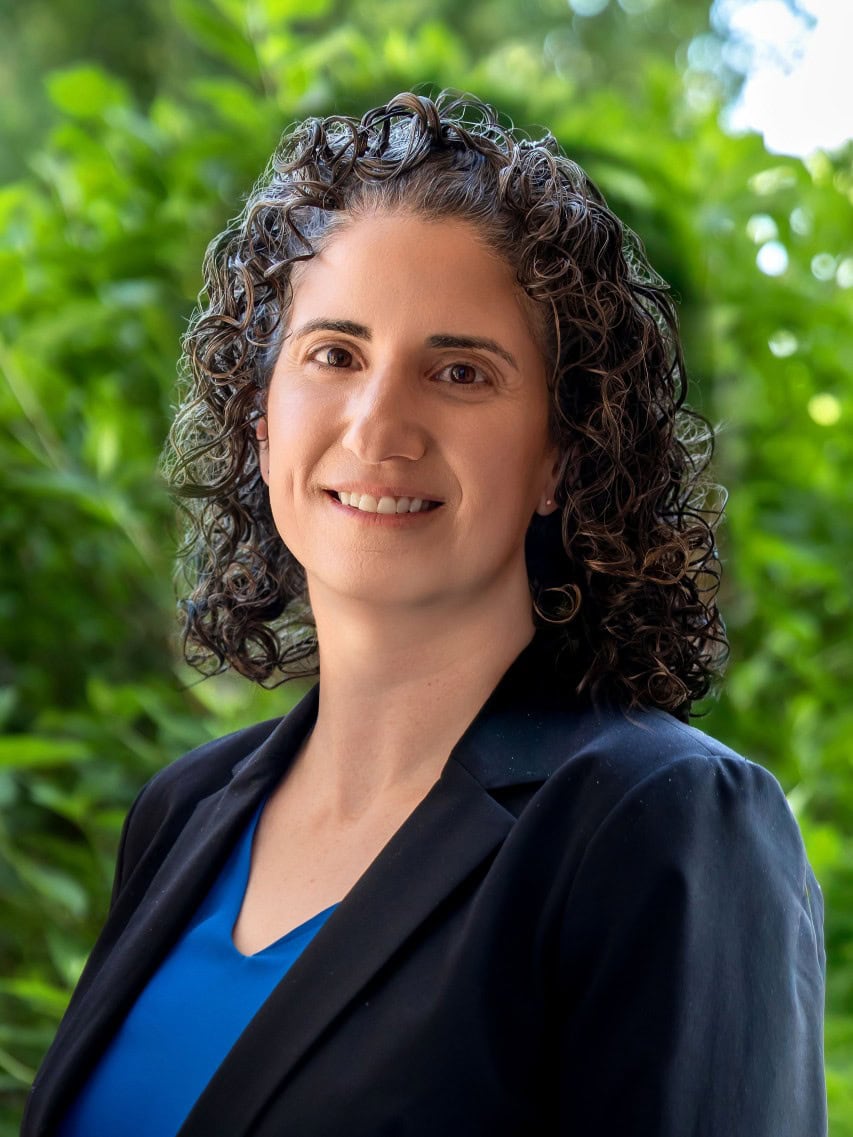
For Northwoods President and CEO Jill Nemoir, the opportunity surrounding AI comes with an equally important responsibility.
That’s particularly important in an industry where technology supports decisions affecting children, families, and some of our communities’ most vulnerable populations.
There are countless things AI can do. Our responsibility is determining what it should do.
Start With the Problem, Not AI
That distinction is increasingly shaping how we think about products at Northwoods.
Instead of starting with an AI capability and looking for somewhere to use it, we’re starting with the challenges workers and agencies are trying to solve.
Where are workers losing time? What information is difficult to find? What gets buried in large case histories? Where could technology help someone see something sooner or make a more informed decision?
As Amber Young, Director of Marketing and Product Management, explains:
That philosophy has already led to capabilities like Policy Assist, Talk to Your Case, Family Mapping, and Case Discovery, each designed around a specific challenge facing human services professionals.
But the bigger opportunity isn’t necessarily another AI feature.
It’s creating an experience where intelligence becomes a natural part of how someone works.
What Customers Are Telling Us
As AI becomes more common in everyday life, agencies are increasingly interested in what it could mean for their workforce.
Michael Kington, Director of Customer Success, says customers are particularly excited about AI’s ability to help workers quickly identify trends and find specific pieces of information within a case.
But enthusiasm is accompanied by important questions.
Agencies are understandably cautious about the sensitive information contained within human services records. They’re also asking questions about accuracy and the appropriate role AI should play in casework.
Kington says customers want AI to “provide a clear view to the worker rather than trying to tell the worker what to do.”
That distinction matters.
AI can help find, organize, connect, and surface information. The worker brings the experience, context, judgment, and human understanding necessary to determine what happens next.
Technology Alone Doesn't Create Value
Even the most thoughtful technology only matters if people can successfully use it.
Jessica Bowers, Sr. Director of Customer Delivery and Support, sees that reality across implementation, professional services, Grove, and ongoing customer support.
That requires more than delivering a new capability.
It means understanding how technology fits into existing workflows, thoughtfully implementing it, training the people who will use it, and supporting agencies through the change that comes with working differently.
“Innovation only matters if it solves a real problem,” Bowers says. “Our responsibility is to meet agencies where they are and introduce technology in a way that reduces complexity rather than adding to it.”
Protecting the Human Side of Human Services
For all the conversation about what AI can automate, analyze, and accelerate, perhaps its greatest potential in human services is what it can give back.
Time.
Capacity.
Information when it’s needed.
And more space for human connection.
“The most exciting opportunity isn’t the technology itself. It’s the impact the technology can have on people,” Bowers says.
That’s ultimately how we think about AI at Northwoods.
Human services is, and always will be, human.
The goal isn’t to use AI to remove that human element. It’s to protect it.
Technology can search through information, surface connections, simplify repetitive work, and help workers find what they need faster. But it cannot replace the judgment, empathy, relationships, and lived experience of the professionals doing this work.
If technology can carry more of what technology is good at, we can create more capacity for people to do what only people can do.
Recognition and Responsibility
Being included in the inaugural Ohio AI25 is an honor, especially as an Ohio company that has spent more than two decades building technology for human services.
But we don’t see the recognition as a finish line.
“We’ve already proven that AI can solve meaningful problems in human services, but there is so much more opportunity ahead,” Nemoir says. “The Ohio AI25 recognition is something we’re incredibly proud of, but I see it much more as validation of the direction we’re heading than a destination.”
We’ll keep listening.
We’ll keep learning.
And we’ll keep exploring where technology can make a meaningful difference for the people who spend every day making a difference for others.
Read the full press release and learn more about Northwoods’ Ohio AI25 recognition.