
How Chemung County, New York, is helping shape the next generation of Traverse through a build-partner collaboration with Northwoods.
The best technology for human services isn’t built for caseworkers. It’s built with them.
That’s the idea behind Northwoods’ build-partner collaboration with Chemung County, New York. As Northwoods develops Traverse Workspace, Chemung’s caseworkers and supervisors are helping shape the new capabilities from the ground up, bringing frontline insight into the design decisions that will determine how the technology works in practice.
Workspace is still in development, and that’s exactly what makes this partnership valuable. Rather than receiving a finished product, Chemung’s team works directly with Northwoods’ product team while new capabilities are taking shape. They see early versions, test them against real workflows, and share what works, what doesn’t, and what could work better.
The result is a development process grounded in the realities of human services.
Shaping Technology Around Real-World Needs
For Morgan Harvey, a supervisor with Chemung County, being involved early means the team’s needs can influence the product as it develops.
“It’s been very valuable to be involved in the process right from the beginning,” Harvey said. “Our feedback has been taken into consideration right from the get-go of what we need, what we’d like to see, the reports that we would like to see, the data we would like to track.”
That feedback has influenced Workspace’s layout and how new capabilities fit within the existing Traverse environment. The goal is to make the experience intuitive for workers who already rely on Traverse every day, rather than introduce unnecessary steps or another disconnected tool.
As Nick Waite, Product Manager at Northwoods, explained, agencies often manage their casework in one system while relying on spreadsheets to track deadlines and required actions.
Bringing those processes together requires understanding not just what information workers need, but how they use it.
“When you’re asking someone to adopt something new on top of an already demanding job, that friction matters,” Waite said.
Building for Stronger Workforces
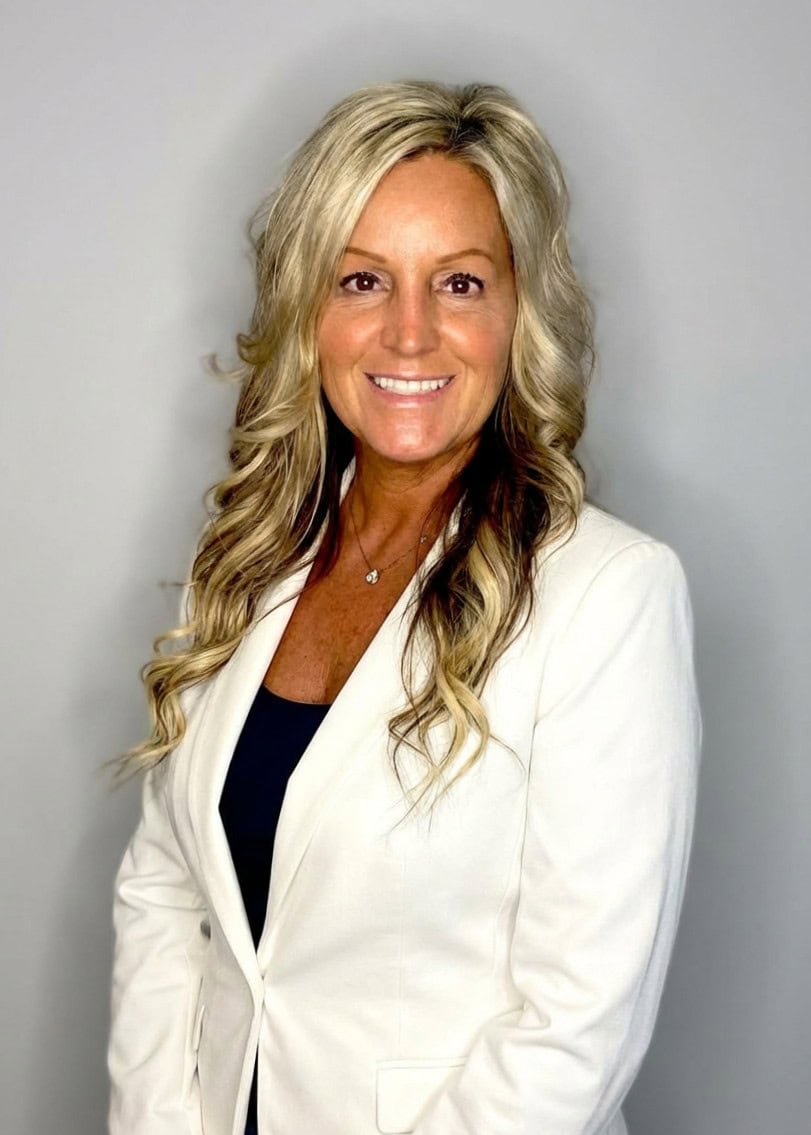
Dr. Mindy Banfield, Commissioner of Human Services in Chemung County, the partnership is an opportunity to proactively shape technology around the county’s priorities, including:
- Cross-system collaboration
- Data transparency
- Outcome measurement
- A stronger, more stable workforce
Banfield views technology as an important part of the infrastructure that supports effective human services.
“We consider technology as a structural support for organizational stability. When it is built intentionally and works well, it becomes part of that foundational infrastructure that supports workflow, communication, accountability, and long-term system improvements,” Banfield said.
She also sees a connection between better tools and a healthier workforce. By participating early, Chemung can help identify opportunities to simplify work, potentially reducing burnout and supporting staff recruitment and retention.
The Benefits Reach Beyond Chemung County
Co-creating technology helps ensure that new capabilities reflect real-world needs, but the benefits don’t stop with the agency helping build them.
- For caseworkers: Tools designed around real workflows, with less time spent tracking tasks and searching for information.
- For supervisors: Better visibility into workloads, deadlines, and required work, helping reduce reliance on separate tracking spreadsheets.
- For other agencies: Capabilities informed by real adult services and child welfare processes, providing a stronger foundation for implementation.
- For Traverse customers: Improvements to the core product that emerge through the close collaboration of the build-partner process.
As Northwoods works with Chemung, the team can also identify opportunities to improve the broader Traverse experience. The feedback helps distinguish challenges shared across agencies from needs unique to a particular county or program.
That means the collaboration can create value beyond the original project, helping inform technology that serves a wider range of human services professionals.
What Meaningful Partnership Looks Like
In our upcoming American Public Human Services Association (APHSA) Policy & Practice article, Stronger Communities Start with Stronger Caseworkers, we explore why meaningful partnership requires more than asking practitioners to review a finished solution. It means creating space where workers can say, “This won’t work for us,” and having that statement start a conversation rather than end one.
For agencies and technology partners, that means:
- Involving practitioners early, before decisions become embedded in a finished product.
- Treating workers as experts, not just end users.
- Building feedback loops through regular demonstrations and honest back-and-forth.
- Designing around existing workflows, so new capabilities feel like a natural part of the work rather than something bolted on.
For Banfield, having that voice in the process makes a meaningful difference.
“We really feel like we’re looked to as experts and a really important voice in this. And that means the world to us,” she said.
Hear From Chemung Live
Want to go deeper? Join Northwoods and APHSA for a webinar featuring product management and customer perspectives on building AI tools that help caseworkers save time.
- When: Wednesday, November 4, 2026, at 1:00 p.m. ET
- What you’ll learn: How solutions are designed with frontline realities in mind, what’s working in agencies today, and the key questions HHS leaders should ask to find a trustworthy partner.
- Who should attend: Administrators, supervisors, and frontline workers.
Built With the People Who Do the Work
Chemung County shows what’s possible when agencies and technology partners bring their strengths together.
Caseworkers bring the expertise. We bring the technology.
Together, we build tools that give time back to the people who serve our communities.